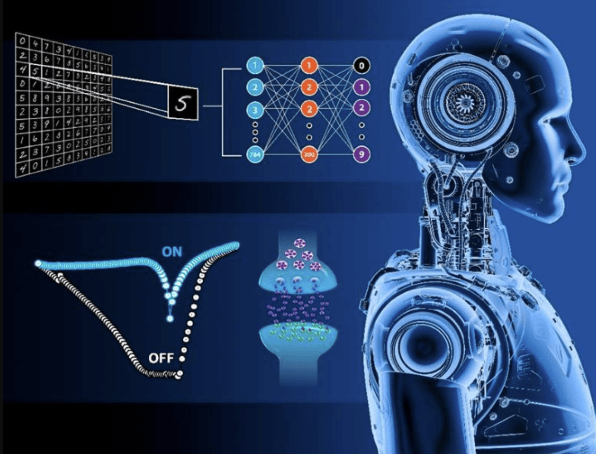
Neuromorphic technology enables energy-efficient, event-driven computation that mirrors brain-like processing. It supports real-time sensing, local data fusion, and adaptive inference across edge devices and healthcare settings. In robotics and sensing, sparse coding aligns perception, decision, and action, reducing latency. On-device adaptation promises autonomous, scalable systems, while governance and interoperability standards shape safe, auditable deployment. The implications span multiple domains, inviting careful integration while questions of ethics and reliability remain central and unresolved.
What Neuromorphic Tech Enables Today
Neuromorphic technology today enables energy-efficient, event-driven computation that more closely mirrors brain-like processing than traditional von Neumann architectures.
The neural architecture supports compact, parallel signaling, enhancing energy efficiency and real-time responsiveness.
Sensor fusion enables resilient perception, while adaptive learning sustains on-device adaptation.
This interdisciplinary, systems-oriented view emphasizes freedom to deploy autonomous, scalable intelligence across diverse, resource-constrained domains without rigid control.
Real-World Edge and Healthcare Applications
The momentum gained from on-device, energy-efficient neuromorphic processing enables practical deployments at the edge and in medical contexts where latency, privacy, and reliability are paramount.
Edge optimization enables continuous monitoring, local data fusion, and secure transmission.
Medical inference benefits from real-time anomaly detection, patient-specific modeling, and resilient operation, reducing cloud dependency while preserving interpretability and interoperability across heterogeneous healthcare systems.
Robotics, Sensing, and Adaptive Systems
How can neuromorphic-inspired designs transform robotics, sensing, and adaptive systems by aligning perception, decision-making, and action with energy-efficient, real-time operation?
The discourse contrasts brain inspired vs. event driven architectures, emphasizing integrated sensing, control, and adaptation.
Systems pursue energy efficient processing challenges through sparse coding, asynchronous computation, and low-latency inference, enabling resilient autonomy within resource-constrained, dynamic environments.
Challenges, Standards, and the Path Forward
Balancing the opportunities outlined in neuromorphic-inspired robotics and sensing with real-world deployment requires examining challenges, establishing standards, and mapping a pragmatic path forward. This examination emphasizes ethics governance, interoperability standards, and cross-disciplinary collaboration.
A systems-oriented view highlights risk mitigation, governance frameworks, and auditable metrics, enabling scalable deployment while preserving openness, safety, and adaptability for diverse applications and stakeholder freedom.
Frequently Asked Questions
What Are the Long-Term Societal Impacts of Neuromorphic AI?
But the long term societal impacts of neuromorphic AI hinge on governance and ethics, shaping labor, privacy, and inequality, while neuromorphic ethics demands interdisciplinary scrutiny, systems-oriented safeguards, and freedom-respecting frameworks to balance innovation with social resilience.
How Does Energy Efficiency Compare to Traditional GPUS in Practice?
Energy efficiency dwarfs traditional GPUs in practice, though gains vary by workload; neuromorphic systems excel where sparsity and event-driven processing dominate, delivering practical performance that scales with specialized tasks, while maintaining power budgets aligned with freedom-loving, interdisciplinary research goals.
See also: Challenges Facing Stablecoin Projects
Can Neuromorphic Systems Achieve Human-Level General Intelligence?
The answer: Neuromorphic systems are unlikely to achieve human-level general intelligence currently, though plausible architectures and learning strategies may approximate aspects. They face benchmark challenges, interoperability, and translation to flexible, autonomous reasoning across diverse tasks.
What Licensing and Ethical Considerations Govern Neuromorphic Deployments?
Licensing constraints shape deployments, while ethical compliance guides safeguards; the system emphasizes responsible innovation, openness, and accountability within interdisciplinary, systems-oriented frameworks, allowing freedom-loving stakeholders to evaluate risks and benefits before broad neuromorphic adoption.
How Scalable Are Neuromorphic Designs for Consumer Products?
Neuromorphic designs face limited scalability for consumer products due to scalability constraints, fabrication challenges, and higher system integration costs; while potential benefits exist, societal impacts require careful design, standardization, and interdisciplinary collaboration to balance innovation with responsible deployment.
Conclusion
Neuromorphic technology now enables energy-efficient, real-time sensing, local data fusion, and adaptive decision-making across edge, healthcare, and robotics domains. A systems-oriented view reveals that asynchronous, event-driven processing reduces latency and power while enhancing resilience and privacy through on-device inference. Some may doubt practicality at scale; however, interoperable standards and governance frameworks are steadily aligning, turning disciplinary insights into deployable, auditable solutions. Embracing cross-domain collaboration will unlock robust, trustworthy neuromorphic ecosystems.
